Story Line Font: A Touch of Luxury for Small Business Branding
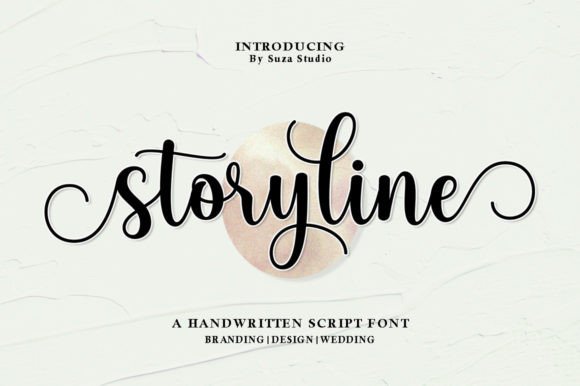
As a small business owner, every visual detail matters. Whether you're designing a logo, packaging, or social media post, the right font can elevate your brand and make it feel more polished and professional. Story Line is a sweet and romantic calligraphic typeface that brings a sense of elegance to any design. Its characters dance along the baseline, giving your brand a graceful, hand-crafted appearance that feels both modern and timeless.
Why Story Line Works for Real Business Touchpoints
From product labels to thank-you cards, Story Line is ideal for small businesses that want to stand out with a personal, luxury feel. Its script style makes it perfect for branding in niches like bakeries, boutiques, beauty products, and wellness services. Because it's PUA encoded, you get full access to all its special characters and glyphs, making it easy to use across design platforms like Canva, Adobe Illustrator, and Photoshop.
- Logo design
- Packaging and labels
- Social media content
- Business cards and stationery
- Website headers and banners
Use Story Line Where It Shines
Story Line works best as a headline, logo font, or accent typeface. It’s not meant for long blocks of text but shines in short, high-impact areas like brand names, taglines, or special promotions. For example, a candle maker could use Story Line on product labels to add a touch of romance and sophistication. A boutique café could feature it in their menu headers to create a warm, inviting atmosphere.
Because of its decorative nature, it pairs beautifully with clean sans serif or readable serif fonts. Try combining Story Line with a modern sans like Montserrat or Lato for headings and body text. This contrast keeps your brand looking elegant yet easy to read across both print and digital formats.
How Typography Builds a Professional Brand
Typography plays a quiet but powerful role in how customers perceive your brand. The right font choice can make your business feel more consistent, trustworthy, and recognizable. Story Line adds a layer of personality that helps your brand stand out without looking over-designed.
For small business owners who wear many hats, having a go-to font that works across multiple brand elements saves time and builds visual cohesion. When your packaging, social media, and website all share the same typographic style, customers begin to associate that look with your brand — and that’s how you build recognition.
Real-World Examples for Small Businesses
Let’s say you run a handmade soap business. Using Story Line on your product labels gives your brand a soft, artisanal feel that appeals to customers who value natural, handcrafted goods. If you're a wedding planner, Story Line can be used in digital invitations and social media posts to create a romantic, elegant aesthetic.
Café owners can use Story Line for menu headers, chalkboard signs, and loyalty cards. Online sellers on platforms like Etsy can integrate it into product descriptions, packaging inserts, and even thank-you notes to create a more personal customer experience.
Readability Matters — Even in Decorative Fonts
While Story Line is ornate and expressive, it’s still designed with readability in mind. That makes it suitable for use in printed materials like business cards, stickers, and product tags. However, it's best used at medium to large sizes where the script can be clearly seen. On mobile screens or small social media thumbnails, it works best for short phrases or titles rather than lengthy captions.
Before committing to Story Line for your entire brand, test it across different applications. Try it in mockups for packaging, digital banners, and print samples to ensure it looks good in every context. This helps avoid inconsistencies and ensures your brand stays clear and professional.
Pairing Fonts for Visual Harmony
Font pairing is key to a balanced brand identity. Since Story Line is a decorative script, it pairs well with simpler, more structured fonts. Use it for headlines and accents, and pair it with a clean sans serif for body text. This combination ensures your designs feel expressive but not overwhelming.
For a more classic look, try pairing Story Line with a serif font like Playfair Display or Cinzel. For a modern, minimalist approach, go with a geometric sans serif like Raleway or Futura. These pairings help maintain visual interest while keeping your brand identity cohesive and easy to read.
Check Licensing Before You Launch
Before using Story Line in your business materials, make sure you have the right commercial license. Many fonts are free for personal use but require a paid license for commercial applications like product packaging, merchandise, digital downloads, or client work.
Always read the font’s licensing agreement carefully, especially if you're planning to use it in multiple formats — from printed packaging to digital ads. Having the correct license ensures you’re using the font legally and avoids any issues down the line.
Make Story Line Part of Your Brand Toolkit
For small business owners, every design decision should serve a purpose — and Story Line does more than just look beautiful. It helps build a consistent, memorable brand identity that resonates with your audience. Whether you're launching a new product line or refreshing your social media visuals, adding a touch of luxury with Story Line can make your business feel more polished and professional.
By using it strategically across your branding materials, you’re not just choosing a font — you're crafting a visual story that customers will recognize and remember.