Stock: A Sweet Handwritten Font for Crafters and Product Makers
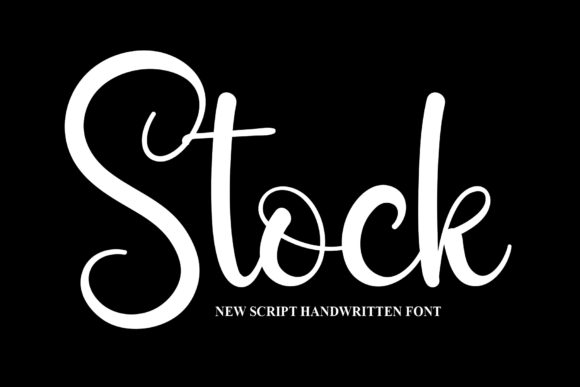
As a crafter and small shop owner, I’m always on the hunt for fonts that bring warmth and personality to my handmade products. Stock is one of those rare gems—a sweet and friendly handwritten font that feels both personal and professional. Whether I’m designing labels, invitations, or SVG-style prints, Stock adds a joyful touch that customers instantly connect with.
What sets Stock apart is its relaxed, approachable style. It’s not too loose or wild like some script fonts, but has just the right balance of charm and readability. This makes it perfect for short phrases, names, and titles where you want a human touch without sacrificing clarity. I’ve used it for everything from boutique tags to wedding welcome signs, and it always brings a smile.
One of my favorite ways to use Stock is in product packaging and labels. It works beautifully on candle jars, soap tags, and even food labels. Because of its clean flow and open spacing, it holds up well even at small sizes. I’ve found it especially useful for sticker designs and printed cards, where legibility matters but you still want a hand-drawn feel.
Practical Uses for Stock in Craft and Digital Products
Stock shines in both physical and digital craft projects. Here are a few of the ways I incorporate it into my work:
- Wedding and Event Invitations: The soft curves and elegant strokes make it ideal for formal and semi-formal invites. I pair it with a clean sans serif for body text to keep things balanced.
- Seasonal and Holiday Packaging: From Christmas tags to Easter cards, Stock brings a festive warmth that feels handmade and heartfelt.
- SVG and Digital Downloads: Whether it’s wall art, planner pages, or quote prints, Stock adds a personal flair that digital buyers love.
- Boutique and Product Tags: It reads clearly on small labels and pairs well with minimalist design elements, giving my products a boutique-level finish.
Why Stock Works for Branding and Customer Appeal
When you run a small creative business, consistency matters. Stock has become part of my brand identity because it’s versatile and recognizable. Customers start to associate its friendly look with my product line, which helps with recall and trust.
It also adds emotional appeal. People respond to handwriting—they see it as more genuine and personal than standard typefaces. When I use Stock for a product label or a greeting card, it feels like I wrote it out myself. That subtle difference can make a big impact on how customers perceive the quality and care behind a product.
Readability Tips for Cricut, Silhouette, and Print Projects
If you’re using Stock with cutting machines or print-on-demand services, here are a few tips I’ve learned:
- Test at Small Sizes: While Stock is readable, it’s best used for short phrases or headings. For longer text, pair it with a clean sans serif or serif font.
- Check Kerning Before Cutting: Adjust spacing between letters if needed, especially when using it in sign making or vinyl cutting projects.
- Use Mockups to Preview: Before printing large batches, I always preview my designs in mockups to make sure the font looks sharp and clear at the intended size.
Font Pairing Ideas to Elevate Your Designs
Stock plays well with others. Here are some pairings I use regularly:
- Clean Sans Serif: Pairing Stock with a modern sans serif like Montserrat or Open Sans keeps the design from feeling too busy while maintaining a warm, approachable look.
- Serif Font: For a more classic feel, I’ll use a simple serif like Playfair Display alongside Stock. It works great for wedding stationery and boutique packaging.
- Bold Display Font: When I need contrast, I pair Stock with a bold, all-caps font for headers or accent text. It adds visual interest without clashing.
What to Know About Stock’s Features and Licensing
Before using Stock in your work, it’s important to check what styles and features are included. I appreciate that it often comes with alternates, ligatures, and swashes, which let me customize the look for different projects. File formats like OTF and TTF are standard, and I always make sure multilingual support is included if I’m designing for international customers.
Licensing is another key point. Stock is typically sold as a commercial font, which means it can be used in physical products, digital downloads, and client work. Still, I always double-check the specific license terms to ensure compliance, especially when selling SVG files or printables online.
Final Thoughts: A Must-Have Font for Makers and Sellers
Stock is more than just a pretty face—it’s a practical, emotionally engaging font that helps my products stand out. Whether I’m crafting labels, designing invitations, or creating digital printables, Stock brings a handmade charm that resonates with customers. If you’re a crafter, Etsy seller, or product creator looking for a font that’s both beautiful and functional, Stock is definitely worth a try.